Stop Copying California Kitchens: Build for the Weather Outside Your Window
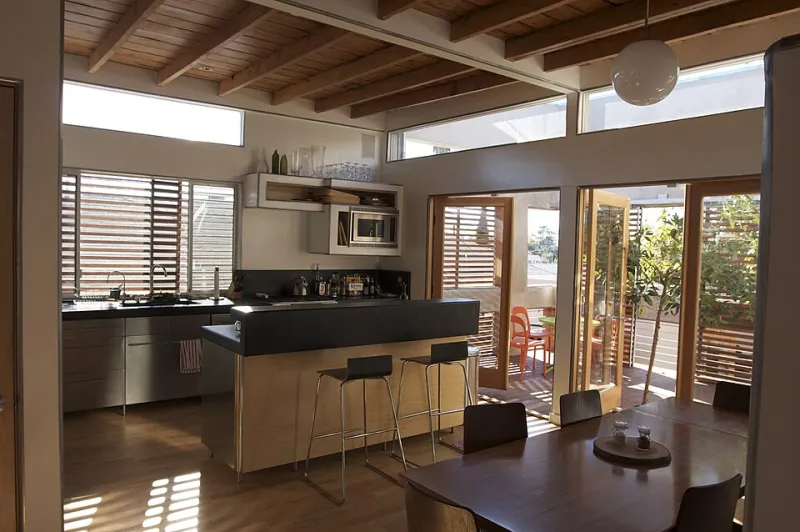
Photo: James Steakley, CC BY-SA 3.0, via Wikimedia Commons
Let's get something off our chests: the renovation industry has a climate problem. Not the environmental kind—the design kind. Too many remodels are conceived on the West Coast, photographed in perfect light, and then pasted onto houses in places where the weather bears no resemblance to the source material.
We've seen it happen in our own market. Homeowners show us a photo of a breezy transitional space with a wall of sliding glass doors and ask for exactly that. And our first question is always the same: do you know what January looks like around here?
The Mudroom Is Not a Luxury Item
In much of the Midwest and Northeast, the most under-appreciated room in American home design is the mudroom. Magazine spreads skip it because it's not glamorous. But anyone who's lived through a slushy March knows the truth: boots, salt, wet jackets, and a dripping dog are a daily logistical operation.
A well-designed mudroom—durable flooring, a drain if you're smart, hooks at kid height, a bench you can actually sit on while wrestling snow boots—will do more for your daily quality of life than any marble waterfall island. If you're renovating an entry or adding on in a snow-belt state, this is the room to spend in.
The South Wants Shade, Not Glass
Flip the map. In the Southeast and Southwest, the enemy isn't snow—it's sun. A west-facing wall of glass that looks stunning in a coastal California photo will turn a living room into a greenhouse by 4 p.m. in Atlanta or Austin.
What actually works down there:
- Deep covered porches that block high-angle summer sun while letting winter light in
- Lighter roofing materials and proper attic ventilation to fight heat gain
- Ceiling fans on those porches, because the difference between a usable evening and an unusable one is air movement
- Hurricane-rated windows and impact glass where the coast demands it
A porch designed for the South isn't an accessory. It's how the house stays livable eight months of the year instead of four.
The Northeast's Roof Has a Job to Do
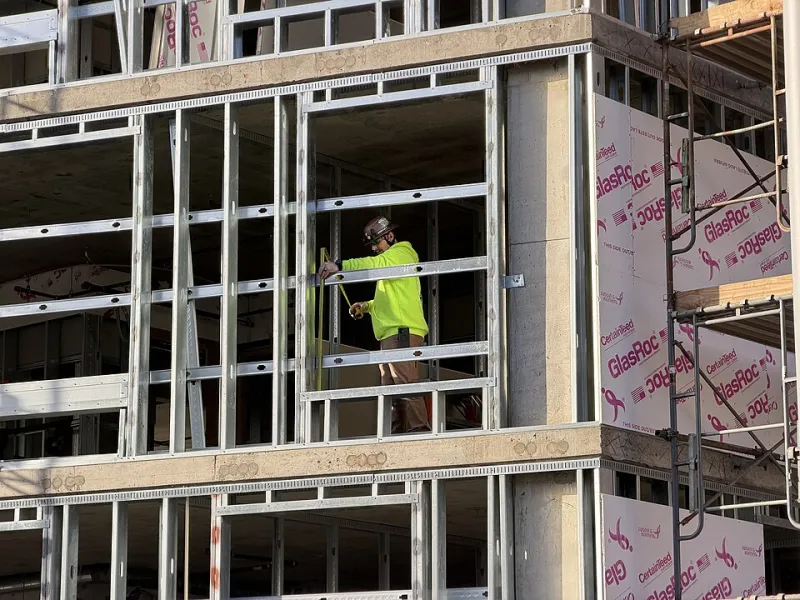
Snow load is not a design detail; it's an engineering requirement. If you're adding a dormer, a covered entry, or a patio roof in New England or upstate New York, that structure needs to be framed and flashed for the weight of a wet February snowpack—and for the ice dams that follow.
Ice and water shield at the eaves, generous overhangs, gutters sized for spring melt, and drainage that moves water away from the foundation before it freezes: none of this shows up in a photo, and all of it shows up in whether your renovation lasts twenty years or five.
Why Your Zip Code Beats a Pretty Portfolio
Here's the opinion part: a builder who has framed, flashed, and winterized homes in your specific climate is worth more than one with a glossier Instagram feed from three time zones away.
Local builders know what your county inspection office cares about. They know which siding holds up to your humidity, which roof pitch sheds your snow, and which 'timeless' material your local lumberyard actually stocks. They've made the regional mistakes already—on someone else's dime—and learned from them.
So when you're vetting contractors, don't just flip through their portfolio. Ask about houses they've built within twenty miles of yours, and ask what they'd do differently because of the weather. A good builder will have answers. A great one will have opinions—and probably a story about a porch they had to rebuild because somebody wanted the California look.
Build for the seasons you actually live in. The magazine can wait.