The 100-Year House: Where Your Money Actually Goes When You Build It Right
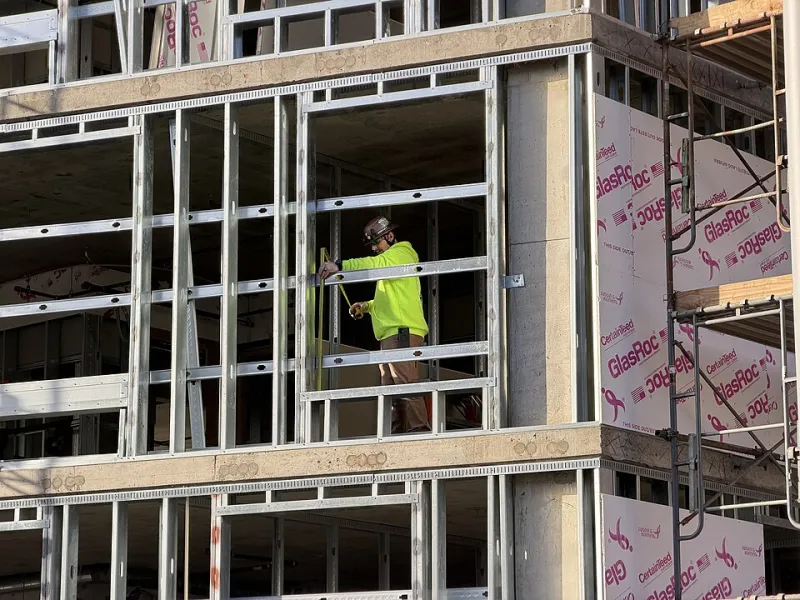
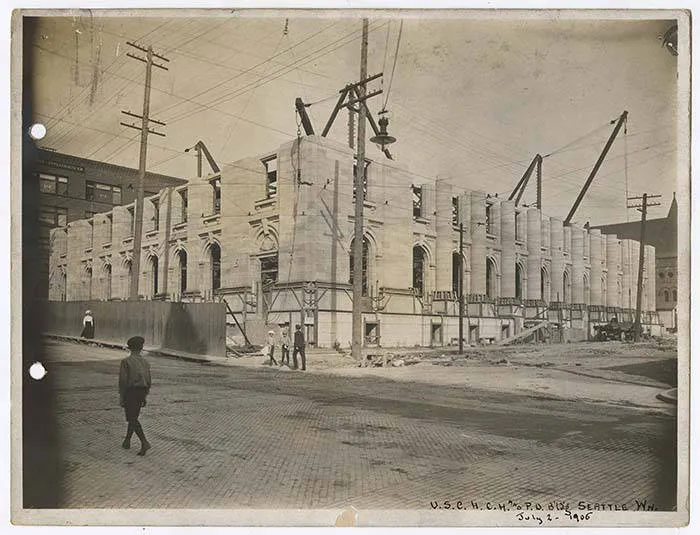
Photo: PortlandAppraisalBlog, CC BY-SA 4.0, via Wikimedia Commons
Every builder has a favorite saying. Ours is simple: anyone can build a house that looks good on move-in day. The real test is what that house looks like in year 40.
We've remodeled plenty of homes across the US that were barely 25 years old and already showing their age—rotting window sills, sagging floors, water staining around every exterior corner. And we've worked on century-old farmhouses with bones so solid they'll stand another hundred years. The difference between the two usually comes down to a handful of decisions made before anyone picked up a hammer.
If you're planning a custom build or a major renovation, here's where to put your dollars if longevity is the goal.
1. Flashing: The Cheapest Insurance You'll Ever Buy
Nothing kills a house faster than water. Not termites, not foundation issues—water. And the number one defense against water is flashing, the thin metal or membrane material that redirects moisture away from vulnerable joints.
Here's the frustrating part: flashing costs almost nothing. We're talking a few hundred dollars in materials for an entire house. But it's tedious, detail-heavy work, and builders cutting corners will skip kick-out flashing at roof-wall intersections or skip pan flashing under windows entirely. You won't notice for five to ten years—until the rot shows up and the repair bill is five figures.
When you're vetting a contractor, ask specifically how they flash windows, deck ledgers, and roof penetrations. A builder who lights up at that question is a builder worth hiring.
2. The Foundation Drainage Nobody Thinks About
A concrete foundation is only as good as what's around it. Grade the soil so water flows away from the house, install perforated drain tile at the footing, and waterproof the foundation walls—not just a quick coat of tar, but a real membrane.
Homes with poor drainage don't fail suddenly. They fail slowly, through hydrostatic pressure, hairline cracks, and damp basements that eventually become finished-basement disasters. Spend the extra couple thousand on drainage now, and you'll never think about it again. That's the best kind of upgrade: the boring one that works.
3. Engineered Lumber: Straighter, Stronger, More Predictable
Traditional dimensional lumber is a wonderful material, but it moves. It twists, crowns, and shrinks as it dries, which is why older houses creak and why drywall cracks above doorways.
Engineered products—LVL beams, I-joists, floor trusses—solve most of that. They're manufactured under controlled conditions, so they're straighter and stronger than sawmill lumber, and they span longer distances without interior support walls. Your floors feel solid underfoot, your ceilings stay flat, and your tile work doesn't crack along grout lines two years later.
The premium over standard framing lumber is modest, and the payoff compounds over decades.
4. Wall Assemblies That Actually Manage Moisture
Here's a dirty little secret of homebuilding: fiberglass batts in a 2x4 wall are the minimum code, not a recommendation. If you want a durable, comfortable home, the wall assembly matters more than the R-number on the insulation label.
The best modern approach layers defense: continuous exterior insulation to cut thermal bridging, a properly detailed air barrier to stop drafts, and a rain-screen gap behind the siding so the wall can dry out. Walls that can dry last. Walls that trap moisture don't—it's that simple.
This is also where you get comfort for free. A tight, well-insulated envelope means even temperatures room to room, quieter interiors, and heating bills that don't spike every January.
5. Windows: Spend Here or Regret It Later
We'll be blunt—windows are the worst place to economize on a custom build. Cheap windows fail in predictable ways: seals fog, hardware breaks, frames rot, and replacing them 15 years in costs far more than upgrading upfront.
Look for quality glazing, a solid frame material suited to your climate (fiberglass and well-made vinyl hold up beautifully in most US regions), and—just as important—a builder who installs them with proper flashing and air sealing. A great window installed poorly performs worse than a decent window installed right.
6. Roofing Details Over Roofing Marketing
Everyone asks about shingle warranty, and everyone's asking the wrong question. A 50-year shingle installed over a poorly ventilated, badly flashed roof deck won't come close to its rating.
What matters: adequate attic ventilation, ice-and-water shield at eaves and valleys (especially if you're in a snow-belt state like Minnesota or Massachusetts), sealed roof penetrations, and drip edge done correctly. Get those details right and even a mid-grade architectural shingle will deliver decades of service.
7. The Finish Line: Materials That Age Gracefully
Finally, think about how surfaces wear, not just how they photograph. Solid hardwood floors can be sanded and refinished half a dozen times—engineered thin-wear-layer products can't. Stone countertops and quality tile outlast laminate and peel-and-stick everything. Fiber cement siding laughs at the hailstorms that shred cheaper alternatives.
Cosmetic upgrades are fun and easy to swap later. Structural and envelope investments are not. When budget conversations get tense—and they always do—protect the stuff behind the walls first.
Build It Once, Build It Right
A 100-year home isn't about spending wildly more. It's about spending deliberately—on drainage, flashing, framing, and the envelope—rather than on the finishes that'll be dated in a decade anyway.
That's the whole philosophy behind the name CMan Builds: crafted homes, built to last. If you're planning a build or renovation and want a second opinion on where your budget should go, reach out. We'll talk through the details—especially the ones you can't see after the drywall goes up.