The Crew Is the Company: Why the People on Your Site Matter More Than the Name on the Truck
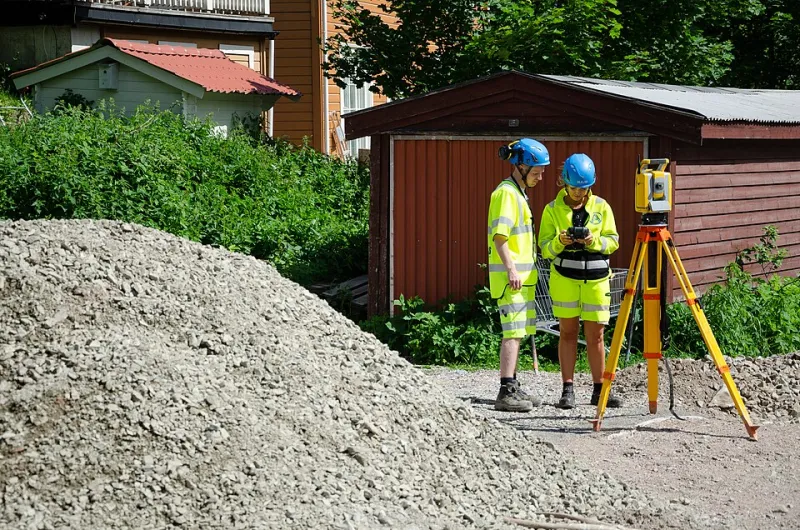
Photo: Peulle, CC BY-SA 4.0, via Wikimedia Commons
Here's a truth the construction industry doesn't advertise: the company you hire is really just a promise. The actual house gets built by a rotating cast of subcontractors—framers, plumbers, electricians, roofers, masons—most of whom you'll never meet and none of whom signed your contract. On some jobs, the general contractor's own crew never touches a hammer. They're coordinators, schedulers, quality-checkers. Which means the single most important question you can ask isn't "How long have you been in business?" It's "Who, exactly, is going to be standing in my kitchen every morning?"
The Invisible Pecking Order
Every job site runs on an unspoken hierarchy, and it has nothing to do with org charts. Framers set the tone—if the framing is sloppy, everything after it is a compensation exercise. The concrete crew works around weather nobody else wants to fight. Plumbers and electricians jockey for wall space, and the drywall crew arrives at the end to make everyone else's decisions look either brilliant or embarrassing.
Good builders understand this ecosystem the way a good restaurant chef understands the front and back of house. They know which tile setter treats a master bath like a cathedral and which one cuts corners where no one will look until year three. They know that a painter who preps properly is worth triple the guy with the cheapest bid, even though both will look identical on move-in day.
The best trades, by the way, are usually the busiest ones. The electrician worth having is booked out months and doesn't return calls from builders he doesn't trust. Which brings us to the real secret of quality construction.
Great Builders Don't Find Great Subs—They Keep Them
Any contractor can call a crew from a directory. What separates the good ones is retention. When a builder has worked with the same plumber for twelve years, that plumber doesn't need to be told where the cleanouts go. He knows the builder's standards, the builder's pet peeves, and—critically—that the builder doesn't skip payments. Trades talk. A builder who pays on time, keeps the site organized, and doesn't play games with change orders gets first pick of the talent. A builder who's known for squeezing subs gets the crews nobody else wants, no matter how polished the sales presentation was.
This is also why "my guy's price seems high" is sometimes the best news you'll hear. A builder paying fair rates to proven hands is buying you fewer callbacks, fewer leaks, fewer cracked tiles, and a punch list that shrinks instead of grows.
Red Flags You Can Spot From the Driveway
You don't need to know a jigsaw from a recip saw to evaluate a site. Swing by unannounced (or at least unplanned) and use your eyes:
- The dumpster tells the truth. A chaotic, overflowing site with materials scattered in the mud suggests a crew that's sloppy in ways that show up in your walls. A reasonably tidy site—even mid-demo—means somebody's managing, not just working.
- Watch the rotation. If a different drywall crew shows up every week, ask why. Consistent crews mean stable relationships. Constant churn means the builder is price-shopping mid-project, and you're the one paying the learning curve.
- Listen to how they talk about each other. Respect between trades is audible. Crews that bad-mouth the builder to each other are telling you something.
- Check the paperwork on the door. Many states require contractor licenses posted at the job site. A laminated sheet with a license number and a QR code signals a builder who treats the rules—and the trades—as legitimate.
Five Questions to Ask Before You Sign
When you're vetting a builder, put these on the list and listen carefully to the answers:
- How long have you worked with your framing crew? Your electrician? Your plumber? Vague answers here are a real warning sign. Long relationships are the backbone of quality.
- Who is on site every day, and what's their name? You should know your lead carpenter or site supervisor by first name before framing starts.
- How do you handle it when a sub's work doesn't meet your standard? The answer should involve inspection checkpoints and rework, not "it doesn't happen."
- Are your subs licensed and insured, and will I see the certificates? Any hesitation is a bad sign. A confident builder sends these before you ask.
- Can I visit an active job site? A builder proud of his crews will say yes without blinking.
The Bottom Line
A warranty is only as good as the company standing behind it, and a company is only as good as the people it can call on a Tuesday morning in February. When you're comparing bids, remember you're not just comparing lumber and square footage. You're comparing networks—the relationships a builder has spent years building with the men and women who will actually swing the hammers.
Ask about the crew. Visit the site. Watch how the trades treat the builder, because that's a preview of how they'll treat your house. The name on the truck gets you in the door. The people on your site determine whether you'll love the result.