Before the Keys Change Hands: Inside Our Final Walkthrough, Room by Room
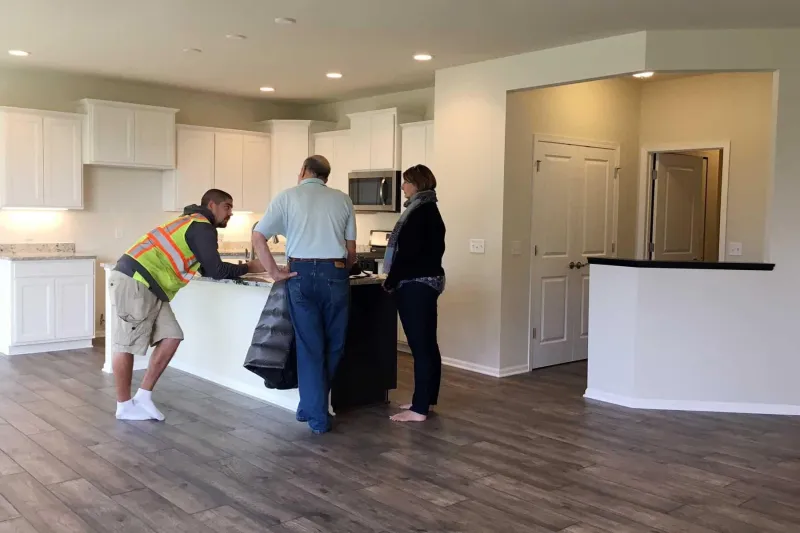
Photo: construction contractor final home inspection walkthrough finished house, via images.squarespace-cdn.com
There's a moment near the end of every custom build that outsiders never see: the final walkthrough. Not the one where the homeowners walk through with champagne in hand—that one comes later. This is the one where our crew goes through the house like skeptics, room by room, trying to break the thing we just spent months building.
We've been doing this long enough to know that the difference between a good handoff and a callback-heavy first year comes down to what happens during these hours. So here's the honest version of what we check, and—more useful for you—what you should check at your own closing, whether we built the house or somebody else did.
Start Outside, Because Water Always Starts Outside
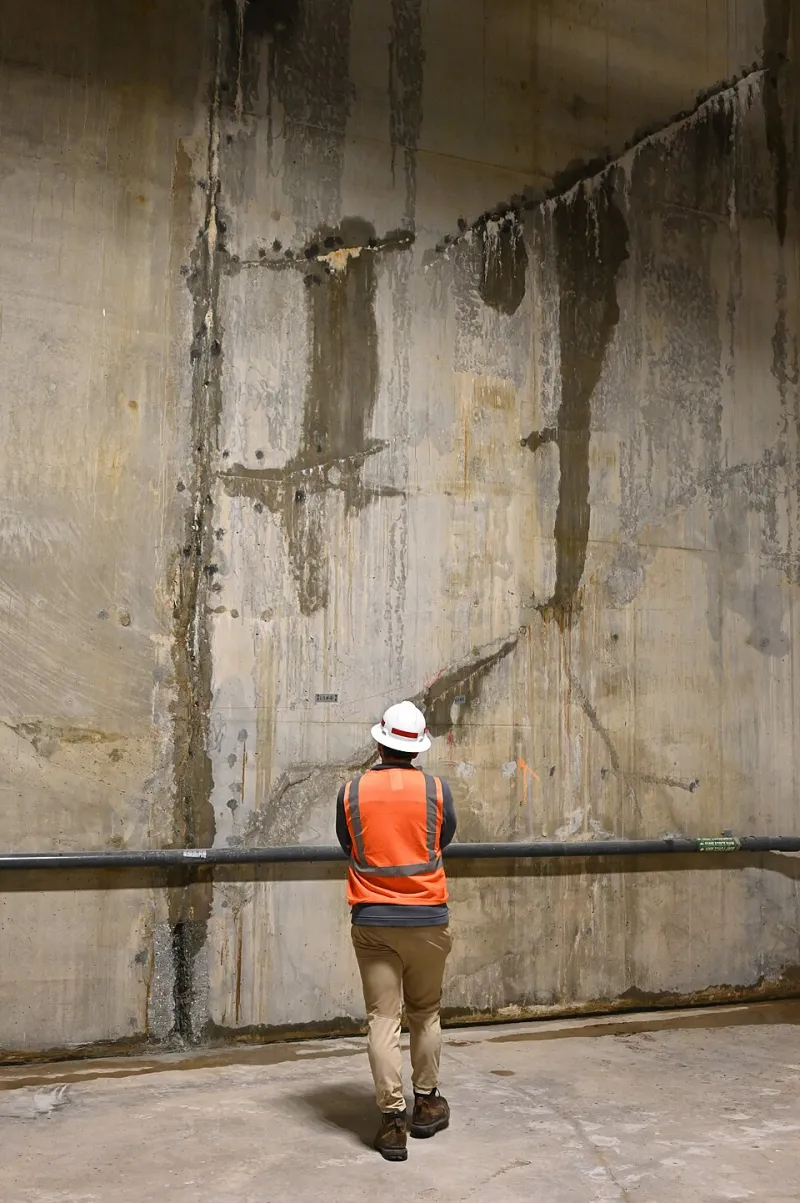
We begin at the exterior, and the reason is simple: water is the enemy of every house in America, from Minnesota to Louisiana. We walk the perimeter and look at where the grade meets the foundation. Soil should slope away from the house—roughly six inches of fall over the first ten feet. If dirt settled during construction and now slopes back toward the basement wall, that's a fix-before-close item, not a someday item.
We check every downspout extension, every window sill for hairline cracks in the caulk, and the flashing where the deck ties into the house—that junction is responsible for more rot complaints than anything else we see on renovation calls.
The Kitchen: Where We Get Unreasonably Picky
In the kitchen, we're not admiring the quartz. We're running fingers along the caulk line where the backsplash meets the countertop, looking for gaps or smears. We open and close every drawer and door—slowly—listening for the soft-close to actually engage. A drawer that slams shut in month one will be misaligned by month six.
We fill the sink, then drain it, watching the P-trap and the disposal connection for weeping. A dry fitting looks fine until water hits it. Then we run the dishwasher through a full cycle while we work elsewhere and come back to check the floor underneath. Ask for this at your walkthrough. It takes an hour and it's caught real problems for us.
Bathrooms: The Steam Test
Every shower gets run at full hot for ten minutes. We're testing two things: water pressure and the exhaust fan's ability to keep the mirror from fogging over. If a bathroom fan can't keep up with its own shower, you'll fight mold in that ceiling within two years—especially in humid states.
We also check the toilet base with a level and give it a gentle rock. Any movement means the wax ring or flange needs attention. And we flush every toilet twice. Once proves it works; twice proves the flapper reseats.
Floors, Doors, and the Things That Move With the Seasons
Here's a truth most homeowners learn the hard way: houses breathe. Wood framing absorbs moisture in summer and dries out in winter, which means a door that clears the carpet in July might drag in February. We account for this during the build, but at walkthrough we still check every interior door for even reveal gaps and smooth latching.
Floors get a slow walk—shoes off, socks on—feeling for squeaks, hollowness, or a transition strip that catches a toe. We look at baseboards in corners for gaps where trim pulled away from the wall. Small stuff? Sure. But small stuff is what separates a house that's finished from a house that was rushed.
Electrical: The Outlet That Fools Everyone
We plug a tester into every outlet. In kitchens, bathrooms, garage, and exterior, the tester should show GFCI protection. We flip every three-way switch from both ends of the hall—builders get these crossed more often than anyone admits. We label the panel if it isn't already, because in five years, nobody will remember which breaker runs the porch lights.
The Attic and the Crawlspace Nobody Wants to Visit
This is where we earn the "built to last" part. We stick our heads into the attic and check insulation depth, verify baffles at the soffits are intact, and look for daylight where there shouldn't be any. In crawlspaces, we check the vapor barrier and confirm the access door actually seals. Nobody tours these spaces at an open house, which is exactly why they're where shortcuts get hidden.
Your Version of This Checklist
If you're closing on a new build or a major renovation, steal our routine: walk the outside first, run water everywhere, test every switch and outlet, and get into the spaces other people skip. Bring a phone flashlight, a level app, and a healthy lack of politeness. A builder who welcomes your scrutiny is a builder who did the work right.
And if you find something? Write it down, get a timeline for the fix, and keep it in writing. A punch list isn't an insult to the builder—it's proof you're paying attention to a house you plan to keep for decades. That's the kind of client we build for.