Nothing to See Here: What's Actually Happening During Those Quiet Weeks of Your Build
Photo: DS Pugh , CC BY-SA 2.0, via Wikimedia Commons
Every homeowner hits the same wall around week ten or twelve of a build. The framing is up, the roof is dry, the rooms have shapes — and then, almost overnight, the excitement stops. The dumpster stops filling. The crew shrinks to two or three guys running wire and pipe. You drive past on a Saturday and nothing has changed. You start wondering if you made a mistake signing with this builder.
You didn't. You've just entered the rough-in stage, and it's the least photogenic, most consequential stretch of the entire project.
The Invisible Phase
Rough-in is the umbrella term for everything that has to be installed, inspected, and signed off before walls close up. Electrical runs. Plumbing supply and drain lines. HVAC ductwork. Low-voltage wiring for internet, doorbell, security. Gas lines. The blocking in the walls that will someday hold your towel bars and your TV mount.
None of it shows in the finished house. All of it is load-bearing in the metaphorical sense — get it wrong now and fixing it later means opening drywall you already paid to finish.
This is also when the inspector earns their keep. Most municipalities require a mechanical rough-in inspection (sometimes several) before insulation and drywall can proceed. A passed rough-in inspection is one of the strongest signals you'll get that your house is built to code and beyond.
Why It Feels So Slow
Finishes are fast. Painters roll a bedroom in an afternoon. Tile setters transform a bathroom in two days. Rough-in is the opposite: meticulous, repetitive, and measured in feet of wire and fittings, not finished rooms.
There's also sequencing. The electrician can't pull wire until the plumber has run lines through the same wall cavities. The HVAC crew needs the framing finalized. Everybody is waiting on everybody, and to an outside eye it looks like nobody's working. In reality, the schedule is doing what schedules do — moving in overlapping waves instead of a straight line.
If your builder goes quiet for two weeks during rough-in, ask one question: "What inspections are scheduled, and when?" If they can answer that, the site isn't stalled. It's just quiet.
The Three Milestones Worth Showing Up For
You don't need to camp out on site during this phase — honestly, too many visitors slows crews down. But three moments justify taking a long lunch:
1. The pre-drywall walkthrough. This is the big one. Before drywall goes up, every wall is still an open book. Walk it with your builder and verify outlet locations against your plan — that switch you assumed would be on the left side of the doorway, the outlet where the nightstand goes, the box for the pendant light over the island. Changing an outlet location after drywall costs real money. Changing it now costs a screwdriver and five minutes.
2. The rough-in inspections themselves. You don't need to attend, but you need the results in writing. Ask your builder to forward the inspector's sign-offs. If anything failed, you want to hear how it was corrected — not discover it at closing.
3. The day before drywall. Take photos. Seriously — photograph every wall with your phone while everything is exposed. Label where plumbing runs behind the shower, where wiring feeds the entertainment wall. In five years, when you want to hang a heavy mirror or run a new cable, those photos are gold. Builders keep as-builts, but your own photo set is faster than a records request.
Questions That Separate Good Builders From Lucky Ones
The rough-in phase is also a good stress test for your builder. A few questions worth asking during this stretch:
- "Are we using anything beyond minimum code here?" Good builders will tell you where they've upgraded — heavier-gauge wire, PEX over copper in certain runs, extra blocking, sealed duct joints.
- "How are the duct runs routed?" Crushed or kinked flex duct in an attic is one of the most common comfort complaints in American houses. It's cheap to do right and miserable to fix later.
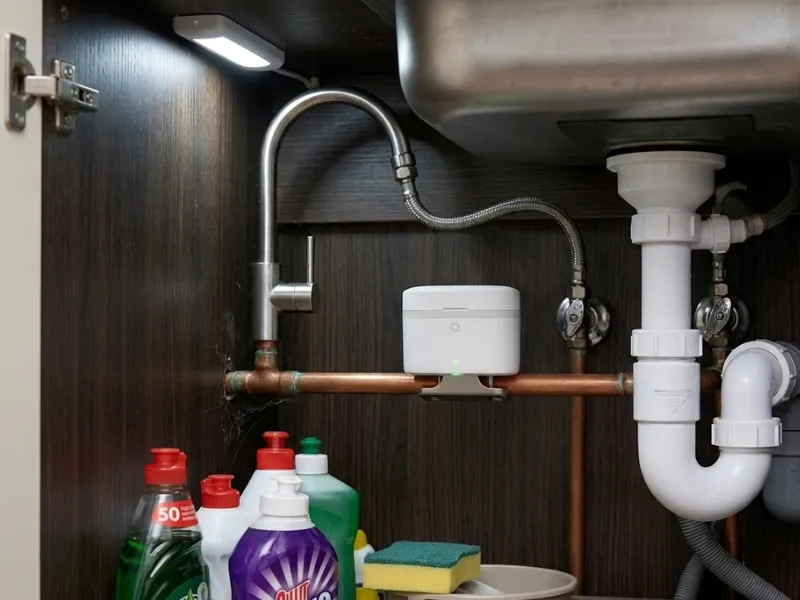
- "Where are the shutoff valves?" You should be able to name where the main water shutoff is before you ever move in.
If the answers are confident and specific, you've hired well.
Resist the Urge to Rush It
The single biggest mistake homeowners make during this phase is pressure. "When can we see drywall?" feels like a reasonable question, but framing the rough-in phase as a delay invites the crew to hurry the one part of the house that can't be redone cheaply.
Think of it like pouring a foundation for your finances: the boring, disciplined stretch nobody applauds is what everything else stands on. The slowest three weeks of your build are the ones you'll never see again — hidden behind paint and trim for the life of the house.
So when the site goes quiet, don't panic. Show up for the walkthrough, take your photos, get the inspection sign-offs in writing, and let the invisible work finish. The pretty stuff comes later, and it comes easier because of what happened when nothing looked impressive.