Follow the Sun Before You Spend a Dime: The One-Day Light Map Every Remodeler Should Make
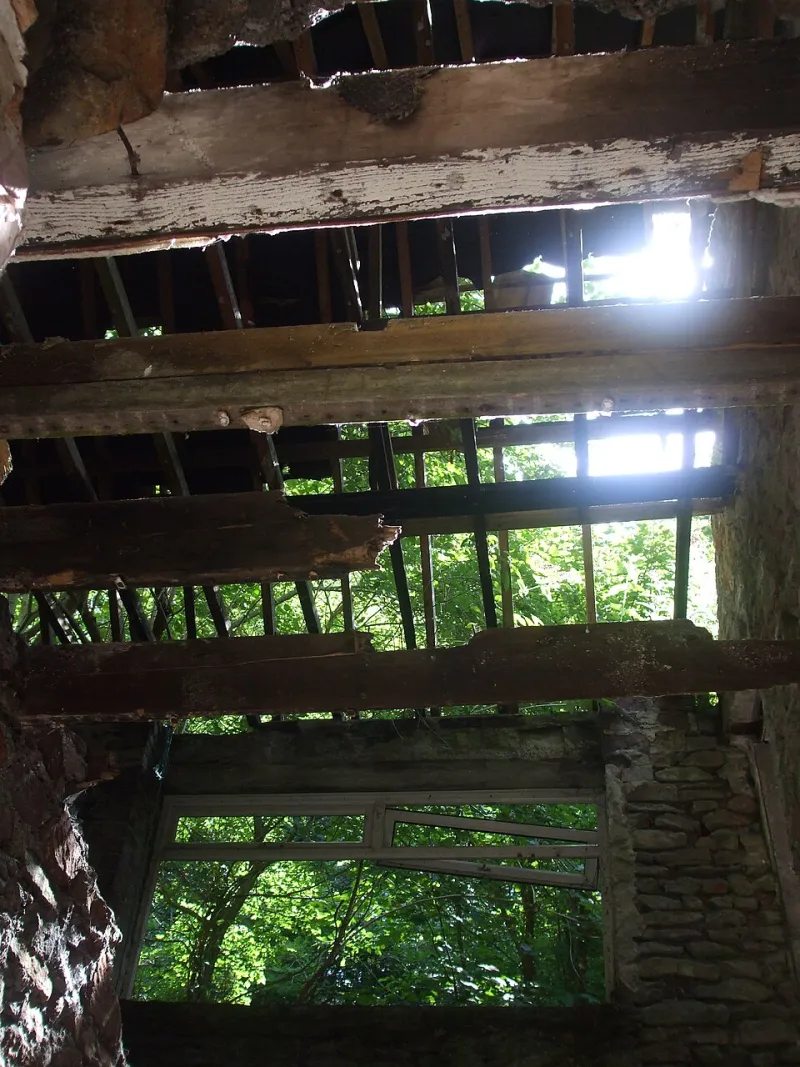
Photo: Neil Owen , CC BY-SA 2.0, via Wikimedia Commons
Before we lock in a single cabinet layout or paint color, we ask our clients to do something that costs nothing: spend one full day at home paying attention to the light. Not decorating. Not measuring. Just watching where the sun actually goes.
It sounds almost too simple, but after years of building custom homes, we can tell you that light is the most misunderstood element in residential design. People obsess over finishes and fixtures, then wonder why a brand-new room still feels off. Nine times out of ten, the problem was decided by the sun long before anyone picked up a hammer.
Why the Same Design Sings on One Street and Sinks on Another
We once worked with two clients who loved the exact same kitchen concept — big island, open shelving, windows over the sink. The first house faced east, so the morning sun poured across the breakfast counter and the whole room woke up with the coffee maker. The second house had the identical floor plan mirrored onto a north-facing lot. Same design, same materials. The result felt like a cave no matter what time it was.
Nothing was wrong with the design. It was pointed the wrong way.
Orientation is destiny in remodeling. A south-facing wall in most of the US gives you steady, usable light all day. East-facing rooms get that gorgeous but brief morning glow. West-facing spaces can be blinding at 5 p.m. in July and dim in the depths of January. North light is soft and consistent but never warm. When you know what you're working with, you can design around it. When you don't, you're guessing.
The One-Day Exercise: Making Your Light Map
Here's what we ask homeowners to do, ideally on a clear day in the season you use the house most:
Morning (7–9 a.m.): Walk through every room you're planning to change. Note where the light lands and where it doesn't. Is the kitchen bright when you're making breakfast, or are you flipping switches on a sunny day? That's a clue.
Midday (11 a.m.–2 p.m.): This is your baseline. Check which rooms get direct sun and which stay shaded. Look at how far the light reaches across the floor. If your planned reading nook is dark at noon, it'll be darker the rest of the time.
Evening (4–7 p.m.): Watch for the west-facing problem rooms. Afternoon glare off a big window can make a dining room unusable at dinner time — or it can be the best happy-hour light in the house. Also notice where the house goes dim first. Those are the spaces that will lean on artificial light the most.
Grab your phone and snap a photo from the same spot in each room at each checkpoint. By the end of the day you'll have a visual record that's more useful than any mood board.
What to Do With What You Learn
Once you've tracked a day, the renovation decisions start making themselves:
- Dark kitchen? Consider enlarging or relocating a window before you spend a dollar on cabinets. Glass is cheaper than regret, and adding a window during a remodel is far less painful than adding one after.
- Blazing west-facing living room? Plan for deeper overhangs, exterior shades, or a strategic tree. Or lean into it — that light is free heat in a Minnesota January.
- A room that never gets direct sun? Stop fighting it. North light is what artists' studios are made of. Design the space around soft, even illumination instead of chasing brightness that will never show up.
- Glass placement matters more than glass quantity. A well-placed window outperforms three badly placed ones every time.
Light Affects More Than Mood
There's a practical layer here too. Sun exposure changes how materials age. South- and west-facing windows will fade hardwood floors, rugs, and upholstery faster than you'd believe. Dark exterior colors on a sun-blasted wall will take a beating. Even your HVAC load shifts with orientation — a glass-heavy west wall can bump your summer cooling bills noticeably.
When we plan a build or a major remodel, the light map feeds directly into decisions about window specs, shading, finish durability, and even where the TV goes (nobody enjoys watching a screen across from a glare machine).
Do This Before the Design Meeting
Bring your photos and notes to your first real conversation with your contractor or designer. A builder who takes the light seriously will use that information — and if they wave it off, that tells you something too.
The homes that feel right aren't accidents. They're the ones where somebody stood in the room at 8 a.m., again at noon, and again at dusk, and paid attention. Take one day to do the same, and you'll design a renovation that works with the biggest free resource your lot has to offer.