The Quiet Tech Worth Wiring In Before the Drywall Goes Up
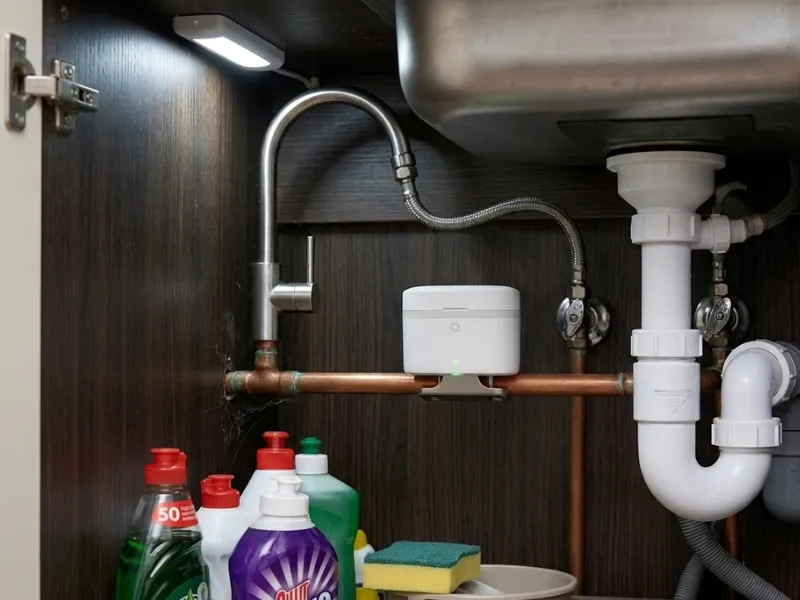
Photo: smart home water leak sensor installation under sink plumbing, via a6f06f674bb300f5b5cc.b-cdn.net
There's a moment in every custom build when the walls are open and anything is possible. Wires can run anywhere, sensors can tuck into places you'll never see, and the whole house is one honest conversation away from being smarter. Then drywall goes up, and the moment is gone.
At CMan Builds, we've learned to love that moment—and to be a little skeptical about what people want to do with it. Because there's a big difference between technology that protects a house and technology that performs for a housekeeping video.
The Gadget Problem
Here's the uncomfortable truth about most smart home tech: it ages like milk. The touchscreen on the wall that looked futuristic in 2019 is a beige-tinted relic today, running software the manufacturer abandoned. We've walked into houses where the 'smart' thermostat is a paperweight because the company behind it got acquired and shut the servers down.
A house is a fifty-year investment. Most consumer tech is a three-year investment. When you hardwire the second into the first, you're betting against time—and time usually wins.
So the question isn't 'should we add smart features?' It's 'which features will still make sense when the homeowner who hired us has handed the keys to someone else?'
What Actually Earns Its Keep
The tech we recommend to clients falls into one category almost exclusively: things that tell you about a problem before it becomes expensive.
Leak sensors. A $40 sensor under the water heater, behind the washing machine, and under every bathroom sink has saved our clients more money than any gadget on any wall. Water damage is the quiet killer of American homes—a slow supply-line drip behind a vanity doesn't announce itself until the subfloor is soft. A sensor that pings your phone at 2 p.m. turns a $15,000 insurance claim into a $12 towel and a plumber visit.
Humidity monitoring in basements and crawl spaces. In the Midwest and Northeast especially, a finished basement is one wet spring away from a mold remediation bill. A discreet humidity sensor that alerts at 60% relative humidity catches the failing dehumidifier or the crack in the foundation long before the smell does.
HVAC monitoring. Systems that track runtime and temperature swings can flag a dying blower motor or a refrigerant leak weeks before the house stops cooling in July. Some utility companies even offer rebates for this kind of monitoring—worth checking before your contractor specifies the hardware.
Sump pump alarms with battery backup. Ask anyone who's finished a basement and lost it to a power outage during a storm. This one isn't even a 'smart' feature so much as basic insurance.
Notice what's missing: video doorbells, voice-controlled everything, motorized blinds, in-wall tablets. We're not against them—clients love them and we'll install them. But they're preferences, not protection. They'll be replaced in a decade by something shinier, and that's fine. The leak sensor behind the toilet doesn't need to be shiny. It needs to work.
The Handoff Checklist
If you're building or remodeling, here's the list we suggest handing your contractor before drywall goes up:
- Water sensors under every sink, behind every toilet, at the water heater, behind the washer, and at the sump pit
- A water main shutoff valve with remote control (auto-shutoff models exist and are worth every penny in a vacation home)
- Humidity sensors in the basement, crawl space, and attic
- HVAC monitoring tied to runtime and temperature differential, not just a pretty app
- A dedicated low-voltage enclosure in the mechanical room with room to grow—conduit to key locations costs almost nothing now and everything later
- A simple, documented hub that doesn't depend on one company's servers staying alive. Local-first systems outlive cloud-only ones
- A one-page map of where every sensor lives, taped inside the electrical panel door
That last item matters more than it sounds. Five years from now, nobody remembers the sensor is behind the powder room sink. The next owner certainly won't.
Building for the Next Owner, Too
Here's the part that separates craftsmanship from trend-chasing: the best smart features are invisible to whoever lives there next. A future buyer touring your house won't ooh at the humidity sensor in the crawl space. But their inspector will note it, their insurance might discount for it, and the absence of water damage will quietly tell the house's story.
That's the kind of technology we believe in—tech that works like good framing does. Nobody compliments it. It just keeps doing its job, year after year, long after the novelty gadgets have been tossed in a drawer.
When you're planning your build, ask your contractor what they're wiring in for the house's sake, not for the demo. The answer tells you a lot about who you've hired.