That Room Nobody Asked For: Why the Best Additions Solve Arguments, Not Storage Problems
Photo: , Public domain, via Wikimedia Commons
Ask most homeowners what they want in an addition and you'll hear the usual suspects: a bigger kitchen, a sunroom, maybe a covered porch. But after a couple of decades of building additions across American neighborhoods, we've noticed something. The projects families thank us for years later are rarely the ones they originally asked for.
They're the ones that solved a problem nobody wanted to say out loud: the couple who hadn't had a quiet conversation in three years because the living room doubles as a home office and a playroom. The adult daughter moving back in with her toddler. The in-laws who need to be close but not that close.
Sometimes the best room you can build is the one nobody's asking for yet.
The Over-the-Garage Office: The Work-From-Home Fix That Stuck Around
Remote work was supposed to be temporary. It wasn't. And the kitchen table was never meant to be a corporate headquarters.
A bonus room above the garage is one of the most cost-effective additions out there because the structure already exists—you're building a roof over a foundation that's already poured. In most markets, you're looking at less cost per square foot than a ground-up expansion, and you get something priceless in return: a door that closes.
One caveat we always raise with clients: garage bonus rooms run hot in July and cold in January unless you insulate the ceiling below properly and condition the space independently. Budget for a mini-split system. It's a few thousand dollars that turns a stuffy attic room into the most comfortable workspace in the house.
Basement Escape Rooms: The Indulgence Worth Building Anyway
Let's be honest about resale math here. A finished basement recovers less of its cost at sale than a kitchen remodel in most national reports. If you're building purely for return on investment, spend your money elsewhere.
But here's what the spreadsheets miss: a finished basement is the cheapest square footage you will ever add, because the shell already exists. And the way families actually use that space—teen hangout rooms, home gyms, a den where Dad can watch football in peace—creates day-to-day quality of life that no granite countertop can touch.
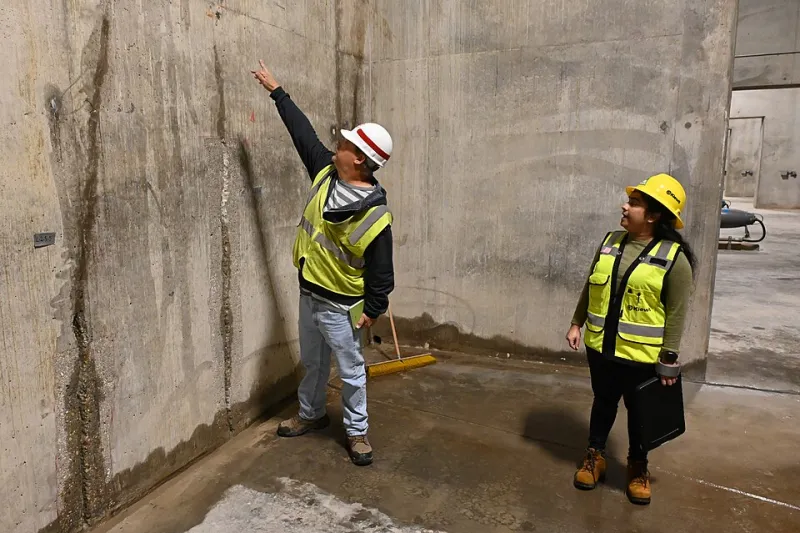
The one non-negotiable: solve any water issues before finishing. More on that in a moment, because it deserves its own conversation.
In-Law Suites: The Multigenerational Play
Roughly one in five American households now includes multiple adult generations under one roof, and that number keeps climbing. A well-designed suite—bedroom, bath, small kitchenette, separate entrance—does two things at once. It gives your family real flexibility right now, and it broadens your buyer pool down the road.
Appraisers and agents have gotten savvier about this. In markets where multigenerational living is common, a legitimate accessory dwelling unit or suite can meaningfully widen who's interested when you sell. Check your local zoning first, though—some municipalities have specific rules about second kitchens and separate entrances, and it's a lot easier to design around them on paper than after framing.
Phasing the Build While You're Still Living in It
Here's the question every family asks: can we stay in the house during construction? Usually, yes—with a plan.
Sequence the messy parts. Demolition, foundation work, and framing are the loud, dusty weeks. If your addition connects to the back of the house, we can often time the wall opening—what we call the "breach"—for a Friday, so the dustiest days land on a weekend you can spend elsewhere.
Create a clean zone. Zippered plastic dust barriers and a designated family path to the kitchen and bathrooms go a long way. We treat the existing house like a patient in surgery: contained, protected, and cleaned up daily.
Phase the budget, too. A garage bonus room this year, the basement next year, the suite down the road. Additions don't have to happen all at once, and spreading them out keeps the household sane—and the financing manageable.
The Honest Answer on Resale
If you want the quick version: kitchens, baths, and curb appeal still lead the resale charts. But additions that add genuine square footage—a garage bonus room, a legal suite—tend to hold their value better than most people expect, because they add function that's hard to find in the existing housing stock.
And the ones that don't pencil out on paper? The basement hangout room, the hobby loft? Build them anyway if they'll get used every single day. You can't appraise a Friday night with the whole family in one room, actually enjoying it.
That's the addition nobody asks for. It's also usually the one they'd never give back.