The Site Supervisor's Confession: What Crews Whisper About Their Best Clients
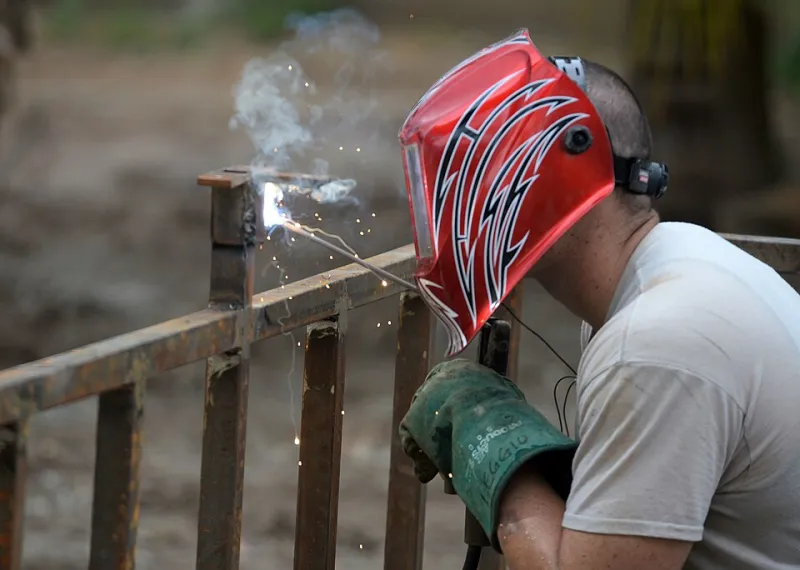
Photo: Capt. David Murphy, Public domain, via Wikimedia Commons
There's a moment at the end of most build days that homeowners never see. The saws go quiet, the trucks pull out, and the crew grabs a minute before heading home. Inevitably, somebody mentions the client.
Sometimes it's a gripe. Sometimes it's a story about the family who left homemade cookies on the porch. But after twenty-plus years running job sites, I can tell you the conversation almost always tracks with one thing: how the client behaved during the build.
Here's the part that matters to you: those behaviors don't just affect morale. They affect your schedule, your budget, and honestly, the quality of the work. A crew that dreads showing up rushes. A crew that's respected does its best work. So let me walk you through what the best clients do differently—through the eyes of the guy keeping the whole job on rails.
Decisions Before They're Needed Beat Decisions Under Pressure
The single biggest predictor of a smooth build is how fast a client makes choices. Tile by Wednesday. Paint color by Friday. Cabinet hardware before the cabinet order goes in.
Great clients front-load their decisions. They spend a weekend at the design center in month one instead of calling me in month three in a panic because the tile they picked was discontinued. When a homeowner hands me a full selection sheet early, the trades never stand around waiting, and nobody pays rush fees on materials.
The clients who struggle are the ones who treat every decision as a fresh crisis. Every delay cascades—plumber rescheduled, drywall pushed, move-in date gone. Decisiveness isn't a personality trait you're stuck with. It's a habit you can build before the first shovel hits the dirt.
There's a Right Time for Questions (and It's Not 6:45 a.m.)
I love clients who are engaged. I love them slightly less when they call my cell at dawn to ask whether the porch posts will be cedar or fir.
The best clients learn the communication rhythm fast. They save questions for the weekly walkthrough or the daily wrap-up text thread. They batch small items into one message instead of firing off seven texts before lunch. And when something genuinely worries them, they say so directly—no passive-aggressive sticky notes left on lumber.
Here's what most homeowners don't realize: every interruption has a cost, and that cost is usually paid in focus. A carpenter who breaks concentration mid-layout makes mistakes. A supervisor who's fielding calls all morning stops catching problems. Respect the rhythm, and the rhythm works for you.
Treat the Crew Like Professionals, Not Servants
Small thing, huge signal: the best clients learn the crew's names.
They don't hover. They don't wander the site after hours to "just peek at something." They don't hand a laborer a list of side tasks that were never in the contract. They say good morning, they keep the driveway accessible, and they keep their dog inside on framing days.
One of my favorite clients ever put a cooler of water bottles by the fence every week of a blazing Georgia summer. Cost her maybe thirty bucks. That crew would have walked through fire for her, and when she asked for a small tweak on the stair rail—something another client might've gotten a change order for—the lead carpenter just handled it. Craftsmanship follows respect. Every time.
Read the Plans Before the Meeting, Not During
Top-tier clients show up to the weekly walkthrough having actually looked at the schedule and drawings. They flag concerns early, when they're cheap to fix. They understand that a change after drywall is a different animal than a change on paper.
And when they do want a change, they ask about it the right way: "What would this do to the timeline and budget?" instead of assuming it's free because it seems small. That question alone puts them in the top ten percent of clients I've worked with.
The Checklist: What Crews Brag-About Clients Do From Day One
Want to be the homeowner the crew talks about for the right reasons? Here's the candid list:
- Make selections early and in batches. Get every finish, fixture, and material decided before it's needed, not when it's needed.
- Use the agreed communication channels. One daily thread or email beats scattered texts and surprise visits.
- Save questions for scheduled touchpoints. The weekly walkthrough exists for a reason.
- Learn the crew's names and say hello. Respect is free and it compounds.
- Keep the site safe and clear. Kids, pets, and parked cars off the work zone.
- Ask before you change anything. Even the "obviously small" stuff. Especially that stuff.
- Pay on time, every time. Nothing sours a job faster than a client who slow-walks a draw payment.
- Say thank you at milestones. Not every day, not with gifts—just genuine acknowledgment when the roof goes on or the floors go down.
None of this requires construction knowledge or an engineering degree. It just requires treating the build like the partnership it is.
The Payoff You Can Actually Measure
Here's the kicker: being a great client isn't charity. It's self-interest, plain and simple.
Jobs with engaged, decisive, respectful homeowners run tighter schedules, rack up fewer change orders, and—this is the part nobody expects—get better finishes. When a crew isn't fighting the client, they have bandwidth for the details: the miter that needs one more pass, the paint line that deserves a second cut, the cabinet door that gets shimmed until it's perfect.
Builders remember their great clients for years, too. When something needs service down the road, guess whose warranty call gets answered first?
So before your project kicks off, ask yourself what you want the lunch-break conversation to sound like. You have more control over that answer than you think—and the house you get at the end will prove it.