Knocking Before the Sledgehammer: A Survival Guide for Renovating in a Full Neighborhood
Every renovation has two audiences: the family writing the checks and the fifty people on the block who just have to live with the noise. Builders can tell you which one causes more problems. Spoiler—it's rarely the family.
At CMan Builds, we've watched projects lose weeks to a single anonymous complaint to the building department. Not because anyone broke a code, but because nobody on the street knew what was happening or when it would end. The good news? Almost all of it is preventable with about an hour of effort before demo day.
Have the Conversation Before the Excavator Does
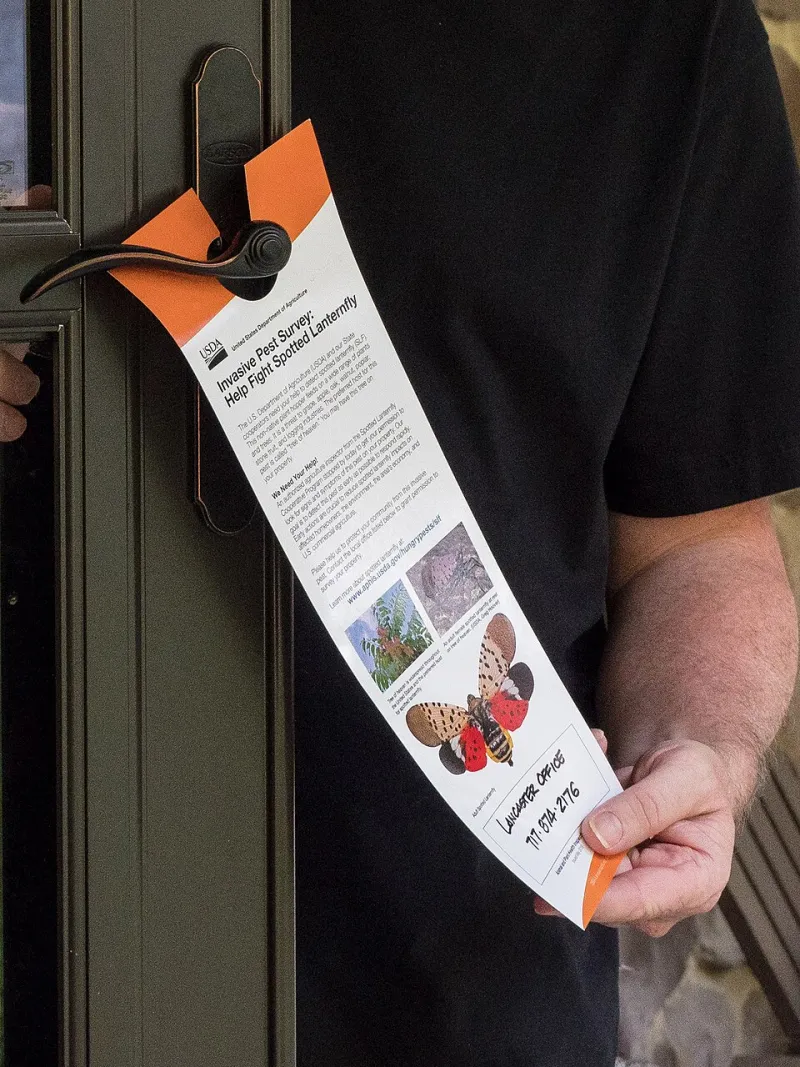
A door-hanger from a construction company feels like marketing. A knock on the door from the actual homeowner feels like courtesy. They are not the same thing.
Two or three weeks before work starts, walk the four or five houses closest to your property line and introduce yourself. Keep it short: what you're building, roughly how long it'll take, who to call if something goes sideways. Offer your cell number and your contractor's name. That last part matters more than you'd think—when a neighbor can text you instead of calling the city, you've converted a complaint into a conversation.
If your neighbor works nights and sleeps days, that's exactly the moment to learn it. Adjusting a start time costs nothing. Rebuilding a relationship after a code enforcement visit does not.
Write Down the Noise and Parking Plan
"We'll try to be quiet" is not a plan. Numbers are a plan.
- Hours: Most US municipalities restrict loud work to something like 7 a.m.–6 p.m. weekdays. Tell your neighbors the real hours, not just the legal ones.
- Heavy days: Concrete pours, demo, and any large equipment delivery happen on specific dates. Flag those in advance so nobody's dog loses its mind during their Zoom call.
- Parking: Ask your builder where the crew will park and where the dumpster goes. If you live on a narrow street, a roll-off can block two driveways. Your contractor should handle permits for street closure or obstruction where required—but you should still warn the affected houses personally.
One practical trick: ask the crew lead where the workers are parking. If it's in front of the retired couple at the corner, redirect it. It's the single cheapest goodwill gesture in construction.
Dust Travels Farther Than You Think
Dust is the number one thing neighbors actually notice, and the number one thing homeowners underestimate. A framing job on a breezy day can coat a next-door car in fine white powder, and suddenly you're paying for a detail or having an awkward talk about it.
A competent builder manages this without being asked: mesh screens on scaffolding, tarps on the dumpster between pickups, water suppression during demo, and site sweeping at the end of each day. If you're interviewing contractors, ask specifically how they handle dust and mud tracking. The answer tells you a lot about how they run a job site overall.
Also think about runoff. Silt fencing and drain protection aren't just for big commercial sites—an uncovered dirt lot sends muddy water straight into the storm drain, and your municipality notices that before it notices anything else.
The Complaint Chain Nobody Explains
Here's the part that surprises homeowners. A neighbor complaint rarely starts as a lawsuit. It starts as a call to the building department, which triggers an inspection, which—fair or not—puts your project under a microscope. Inspectors who find one issue look for others. Every re-inspection is a delay, and delays cost real money in carrying costs and contractor scheduling.
This is why builders are almost obsessive about neighbor relations, even though neighbors aren't our clients. A happy neighborhood is invisible. An angry one shows up at your permit hearing. We've seen additions approved smoothly because three neighbors spoke in favor, and we've seen near-identical projects stall because nobody on the street knew the homeowner existed.
Small Gestures With Outsized Returns
You don't need to buy anyone's forgiveness. But a few things consistently work:
- A heads-up card with the project timeline and your phone number, delivered before work starts.
- A quick apology after the loudest day: "Sorry about the demo noise—that's the worst of it."
- An end-of-project thank-you, even just a case of beer or a plate of cookies, when the trucks leave for good.
None of this is complicated. All of it is the difference between a block that roots for your project and a block that documents it.
The Bottom Line
You hired your builder. Your neighbors hired nobody, and they're along for the ride whether they like it or not. Treat the project like it's happening to them too—because from their kitchen window, it is.
A good builder will handle the logistics: staging, screening, scheduling, permits. Your job is the human part. Knock on four doors, hand out your number, and keep the site clean. That hour of effort is the cheapest insurance your renovation will ever have.