Nobody's Build Goes Perfectly—But Here's How to Dodge the Five Delays That Kill Timelines
Photo: Unknown authorUnknown author, Public domain, via Wikimedia Commons
Let's get one thing straight before we go any further: if a builder promises you a custom home in six months, ask to see their last three projects. Real timelines for a custom build in most of the US run 10 to 16 months from signing to keys-in-hand, and that's normal, not a red flag.
What separates a smooth build from a stressful one isn't the absence of problems. It's how many problems were avoidable. So let's do two things: walk through what actually happens during a build, and then—because we promised honesty—rank the five classic delays from "totally preventable" to "nobody can control this one."
The Real Timeline, Stage by Stage
Pre-construction (2–5 months). This is financing, land closing, design, engineering, and—everyone's favorite—permitting. Depending on your county, permit review can take two weeks or four months. Rural jurisdictions are often faster than big metro planning departments, which surprises people.
Site prep (2–6 weeks). Clearing, excavation, utilities, and the foundation. If your lot has drainage challenges, ledge, or poor soil, this is where it surfaces.
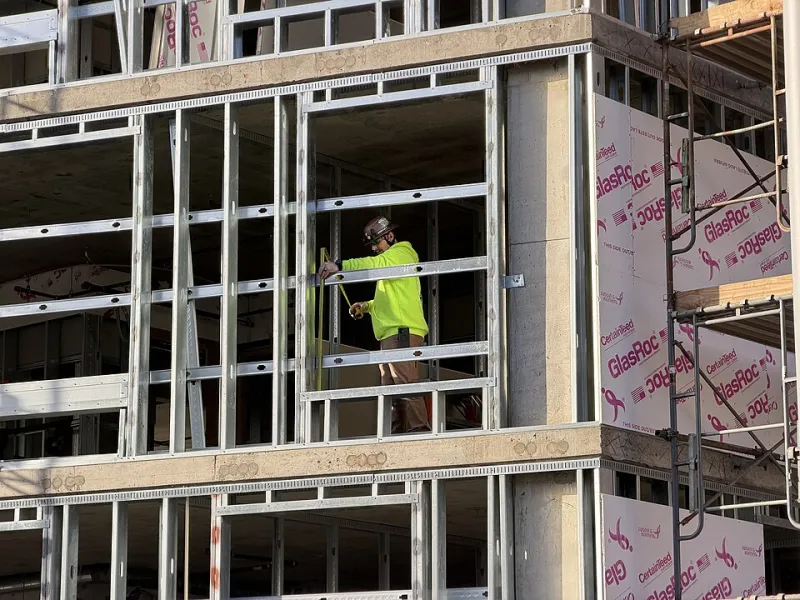
Framing (6–12 weeks). The fun part—the house appears. By the end of this stage, your project goes from abstract floor plans to something you can stand inside.
Rough-ins and inspections (4–8 weeks). Plumbing, electrical, and HVAC get installed inside the walls, then buried behind insulation and drywall once inspectors sign off.
Finishes (8–14 weeks). Flooring, cabinetry, tile, paint, fixtures. This stage feels slow because progress is incremental—trust us, things are happening.
Final walkthrough and closeout (2–4 weeks). Punch lists, final inspections, certificate of occupancy. Then: moving day.
Now, the delays.
Delay #1: Change Orders (The Most Preventable)
We'll say it plainly: most change-order delays are self-inflicted, and they're almost always a symptom of rushing the design phase.
Every time you move a wall after framing starts, change a window after it's ordered, or rethink a kitchen layout after plumbing is roughed in, you pay three times—once in rework, once in re-permitting or re-inspection, and once in schedule. Nothing burns a timeline faster than decisions deferred.
The fix: Make every finish and layout decision you possibly can before breaking ground. Build a proper selections schedule with your builder. If you're still picking tile colors during framing, your project is already at risk.
Delay #2: Material Lead Times (Mostly Preventable, With Planning)
Windows, exterior doors, HVAC equipment, and specialty cabinetry routinely run 8 to 20 weeks out. Order them late and your build stalls in a fully framed, weather-exposed house while everyone waits on a truck.
The fix: Long-lead items get ordered the moment your plans are locked—sometimes even during permitting. A builder who sequences procurement early is worth their weight in lumber.
Delay #3: Financing Hiccups (Preventable, But Awkward to Talk About)
Construction loans are drawn in stages, and every draw requires an appraiser or inspector sign-off. If your paperwork lags, or your lender is slow processing a draw, your builder's crew can sit idle—and crews that sit idle get reassigned to other jobs.
The fix: Choose a lender with genuine construction-loan experience, not just a residential mortgage shop that dabbles. And respond to draw-request paperwork like it's on fire, because schedule-wise, it is.
Delay #4: Inspection Backlogs (Partially Preventable)
Here's an opinion we hold firmly: you cannot build a house on a schedule that assumes inspectors show up same-day. In fast-growing counties across Texas, Florida, and the Carolinas, inspection backlogs can add days to every single milestone—and there are dozens of milestones.
The fix: You can't eliminate this one, but you can plan around it. Ask your builder how they schedule inspections and whether they build buffer days into the calendar. A schedule with zero slack is a schedule that's already broken.
Delay #5: Weather (The Honest One)
Rain during excavation. A week of Gulf humidity that won't let concrete cure. A Midwest winter that turns your foundation pour into a spring event. Weather delays are the one category where nobody's to blame—and the one where flexible scheduling matters most.
The fix: You can't control the forecast, but you can control expectations. We tell every client: build your timeline with a weather allowance built in, and celebrate when you don't need it.
The Bottom Line
Roughly speaking? Change orders, material ordering, and financing are 80% in your hands. Inspections are maybe half yours. Weather is nobody's.
A custom home build shouldn't feel like chaos, but it also shouldn't be sold as a perfectly predictable machine. The best thing you can bring to the table is decisions made early, paperwork handled fast, and a builder who communicates before problems become delays.
Thinking about breaking ground? We're always happy to walk prospective homeowners through a realistic timeline for their specific lot and jurisdiction—no sales pitch, just the honest version. That's how we'd want to be treated, and it's how we treat everyone who calls CMan Builds home base.